
The Parts of Your Security System You Rarely Think About, But Rely On Every Day
Once a system is installed and working the way it should, it tends to fade into the background. That is usually a sign that everything is doing its job. You arm it when you leave, disarm it when you return, and expect it to handle the rest without much thought.
What often goes unnoticed is how much that consistency depends on details that do not draw attention to themselves. Systems rarely fail in obvious ways. More often, they continue to run while gradually drifting away from how they were originally set up.
Where We Usually See the Difference
When we look at systems that have been in place for a while, the issue is not whether they still function. In most cases, they do. Panels respond, cameras record, and alarms behave as expected.
The difference shows up in how closely the system still matches the space it is protecting.
We typically find a few consistent issues:
- Cameras that are active but no longer covering the area a customer assumes they are watching
- Access credentials that remain in place long after they are needed
- Notification settings that were never adjusted after installation, so they are either ignored or not used at all
None of these issues stand out on their own, but over time they affect how reliable the system feels.
How Systems Fall Out of Alignment
Properties change in ways that feel routine. A room gets rearranged, storage is added, or a space begins to be used differently than it was before. In a business, staff turns over, schedules shift, and traffic patterns evolve.
The system continues to operate based on the original setup, even when those conditions no longer match. That is where small gaps begin to form. They are not failures, but they do create a disconnect between what the system is doing and what the property actually needs.
Call (650) 631-7297 or contact Fox Security here if you want us to take a closer look at how your system is performing today.
What a Review Actually Involves
A proper review is not about running through a checklist. It is about looking at how the system functions within the space as it exists now.
That means paying attention to what the cameras are actually capturing, how access is being used in practice, and whether alerts are providing useful information or simply getting ignored. It also includes checking how quickly devices respond and whether different parts of the system are working together the way they should.
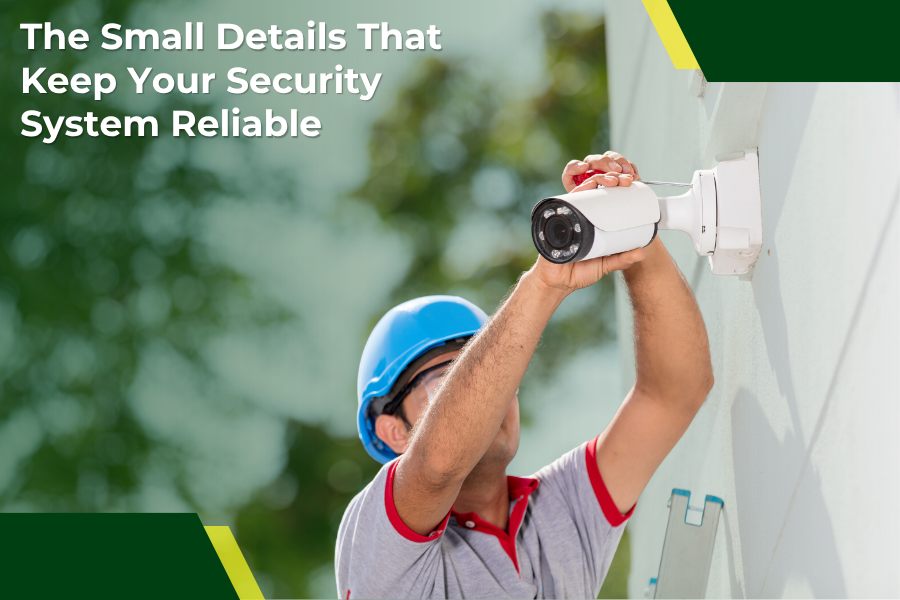
In many cases, the adjustments are straightforward. A camera angle is refined to restore visibility, access permissions are updated to reflect current use, or settings are adjusted so alerts become meaningful again. Small changes like these tend to bring the system back into alignment without requiring larger upgrades.
Why This Becomes More Important Over Time
The longer a system has been in place, the more likely it is that these small differences have accumulated. That does not mean the system is failing, but it does mean it may not reflect the property as accurately as it once did. There is a difference between a system that works and one that still fits.
Keeping It Practical
Most customers are not looking to replace what they already have. They want their system to continue working the way it should without adding unnecessary complexity.
That is where ongoing support makes a difference. In most cases, it comes down to making a few well-informed adjustments that bring everything back in line with how the space is actually used.
When It Is Worth Taking a Second Look
If your home or business has changed in any way, even slightly, it is worth confirming that your system has kept up with it. A short review can provide clarity and help avoid issues that tend to develop quietly over time.
Bay Area Office: (650) 631-7297
Arnold Office: (209) 795-8103
Contact Fox Security today to schedule a system review.








Leave a Reply